Are you a homeowner looking to secure planning permission for your home extension but unsure where to start? Whether you live in Milton Keynes, Cambridge, London, or Oxford, navigating the planning permission process can feel overwhelming—but with the right guidance, it doesn’t have to be.
A home extension is one of the best ways to add space, improve functionality, and increase the value of your property. However, before you embark on your project, careful planning and preparation are crucial. From securing planning permission to choosing the right construction method, this guide will walk you through everything you need to know to ensure a smooth and successful extension project.
In this guide, I will cover:
Whether you need planning permission
Key regulations to follow
Cost considerations
The benefits of modular extensions
How to get started
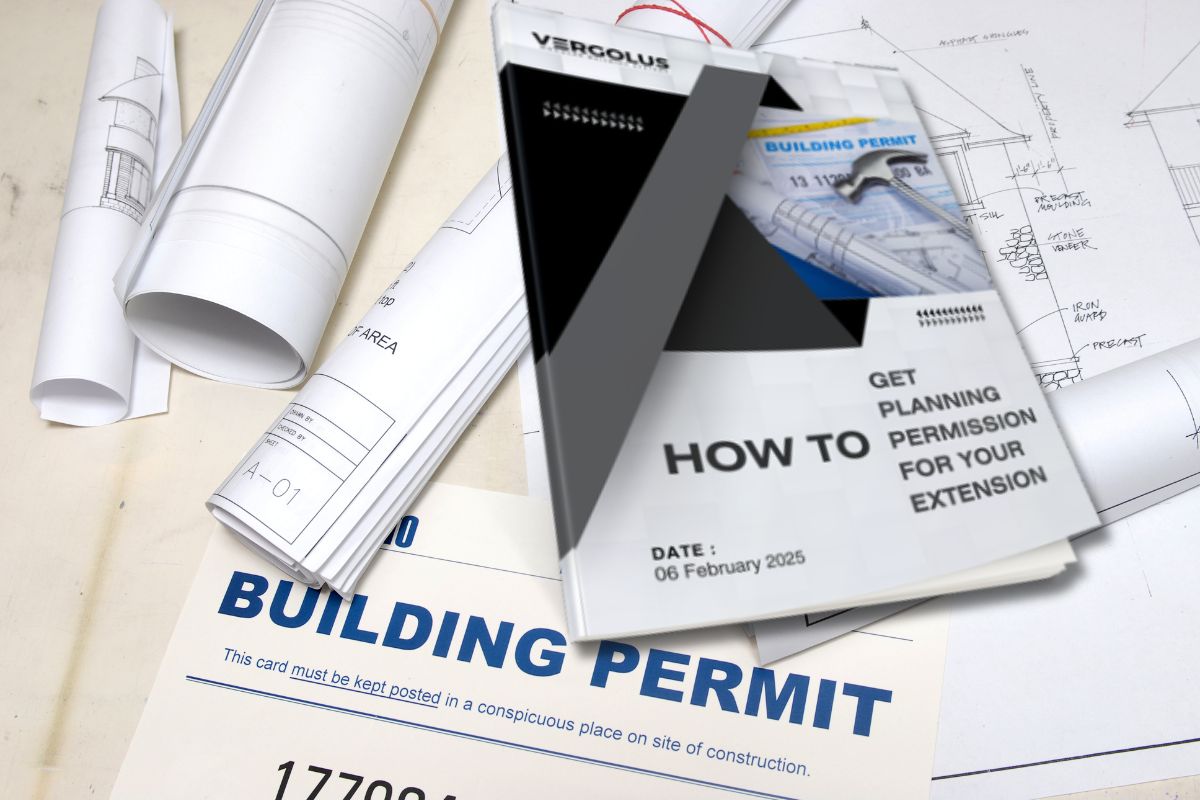
For an in-depth step-by-step guide, you can download our comprehensive Planning Permission Guide or request a copy.
Planning Permission eBook by Vergolus
Do You Need Planning Permission for Your Home Extension?
One of the first steps in planning a home extension is determining whether you need planning permission. In many cases, extensions fall under Permitted Development (PD) Rights, meaning no formal application is required.
Your extension may be permitted development if:
It does not exceed 50% of the land around the original house.
A single-storey rear extension does not extend beyond 3m (terraced/semi-detached) or 4m (detached homes).
The height does not exceed 4m.
A side extension is no wider than half the original house width.
The materials used match the existing property.
If your project does not meet these conditions, you will need to apply for full planning permission through your local council.
👉 For a detailed guide on planning permission requirements, download our free Planning Permission Guide!
Understanding Building Regulations
Even if your extension falls under Permitted Development, you must comply with UK Building Regulations to ensure the structure is safe and efficient.
Key aspects include:
Structural integrity – Proper foundations and load-bearing support.
Fire safety – Adequate escape routes and fire-resistant materials.
Energy efficiency – Insulation and ventilation compliance.
Drainage and waste disposal – Ensuring proper sewer connections.
At Vergolus, we ensure that all modular extensions meet and exceed UK Building Regulations for a seamless approval process.
Cost Considerations for a Home Extension
The cost of a home extension depends on size, materials, and complexity. A traditional extension typically costs between £1,800 – £3,500 per sqm, whereas modular extensions start at around £2,250 per sqm, but offer significant time and labour savings.
Here’s a rough breakdown:
Labour and materials – £40,000 – £100,000+ (depending on size and finishes)
Electrical & plumbing work – £5,000 – £15,000
📊 Need an exact cost estimate? Try our free Home Extension Cost Calculator!Note: This is based on our current starting price of £2250 per sqm.
House Extension Cost Calculator
Why Choose a Modular Home Extension?
Modular extensions are revolutionising home improvements by offering a faster, cost-effective, and durable alternative to traditional methods.
Benefits of Modular Extensions:
✅ Faster Build Time – Installed in as little as 2 weeks, compared to months with traditional methods.
✅ Cost-Effective – Reduced labour and material waste lower overall costs.
✅ Minimal Disruption – Less noise, mess, and inconvenience to your household.
✅ Perfect for Limited Access Homes – Ideal for terrace houses with no rear access.
✅ 25-Year Structural Guarantee – Longer than many traditional builds.
✅ Eco-Friendly – Reduced construction waste and sustainable materials.
✅ Customisable – Can include bifold doors, roof lights, and underfloor heating.
📩 Want to learn more? Download our Planning Permission Guide for Modular Extensions!
How to Get Started on Your Home Extension
Ready to take the next step? Follow these essential steps to kickstart your home extension project:
1. Define Your Goals
What is the purpose of your extension? (More space, improved functionality, increased value)
What is your budget?
How soon do you need it completed?
2. Choose the Right Extension Type
Rear extensions – Ideal for open-plan kitchens and dining areas.
Side extensions – Perfect for terrace houses needing extra width.
Wraparound extensions – A combination of rear and side for maximum space.
Modular garden rooms – A fast and affordable way to create additional living or office space.
3. Get Expert Guidance
Consulting with a professional ensures you meet regulations, stay within budget, and avoid common mistakes. Vergolus offers a turnkey service, handling everything from drawings, planning, and structural calculations to the final build.
📞 Book a free consultation with our experts today!
FAQs: Planning Permission for Your Home Extension
1. How long does it take to get planning permission?
Most applications are processed within 8 weeks, but more complex cases can take longer.
2. Can I build an extension without planning permission?
Yes, if it falls under Permitted Development Rights.
3. How long does a modular extension take to build?
As little as 2 weeks, depending on the project’s complexity.
4. Are modular extensions durable?
Yes! Our modular extensions come with a 25-year structural guarantee.
5. What is the cost difference between traditional and modular extensions?
Modular extensions often reduce labour costs and shorten build time, making them more cost-effective.
6. Can I get a mortgage for a modular extension?
Yes, as long as it meets UK Building Regulations and adds value to the property.
7. Will my extension need insulation?
Yes, all extensions must comply with energy efficiency standards.
8. What’s the best type of foundation for an extension?
We use steel foundations, known for their strength and adaptability.
9. Can I extend my home if I live in a conservation area?
You may need special permissions, so check with your local council.
10. What if my neighbours object to my extension?
Neighbours can raise concerns, but a well-prepared application can mitigate objections.
Planning a Home Extension: Understanding regulations
Planning a home extension doesn’t have to be stressful. By understanding regulations, choosing the right method, and working with experts, you can achieve a seamless and successful project.
At Vergolus, we specialise in fast, high-quality modular extensions that comply with UK regulations. Whether you’re extending a terraced home with limited access or upgrading your property, our expert team handles everything from planning to completion.
📩 Download our Planning Permission Guide today! 📞 Contact us now for a free consultation!